
Diet & Dental Health: How Everyday Choices Shape Your Overall Wellness
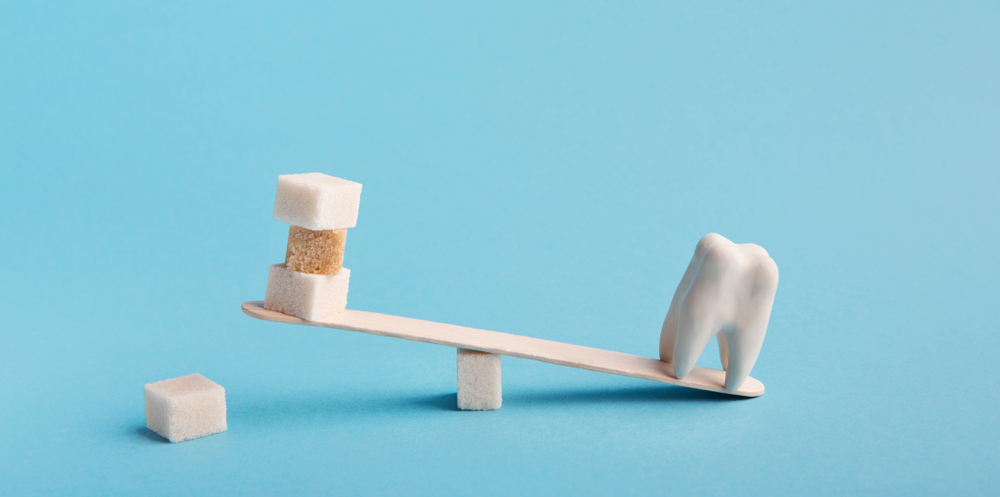
Daily routines often include a morning cup of coffee, an afternoon pick me up, or a sweet treat to boost energy. While these habits may feel small, sugar and caffeine play a significant role in both oral health and whole body wellness. Understanding how these substances affect the teeth and the mind body system empowers individuals to make more mindful choices that support long term wellbeing.
How Sugar Affects Dental Health
Sugar is one of the most well known contributors to dental concerns, and for good reason. When sugar combines with the natural bacteria in the mouth, it produces acids that weaken enamel. Over time, this leads to:
- Increased cavity risk
- Enamel erosion, making teeth more sensitive
- Inflammation in gums
According to the American Dental Association (ADA), frequent or prolonged exposure to sugar, especially through sipping sugary drinks or snacking throughout the day, increases cavity risk because teeth have less time to recover and neutralize acid.
Sugars are not always obvious. Many beverages, yogurts, energy drinks, and packaged foods contain hidden sugars that contribute more than most people realize.
Ready to Schedule a Consultation?
How Caffeine Impacts Dental Health
Caffeine is not inherently harmful, but certain caffeine sources and habits can affect oral health:
- Coffee and tea may stain teeth over time
- Acidic sodas and energy drinks can gradually weaken enamel
- Caffeinated beverages can reduce saliva flow, leading to dry mouth
Since saliva protects enamel, washes away bacteria, and helps maintain a healthy pH balance, reduced saliva can increase the risk of cavities, gum irritation, and sensitivity. When caffeine is paired with sugar, such as in sweetened coffee drinks, the impact on oral health grows even stronger.
The Wellness Effects of Sugar and Caffeine
Beyond dental health, both substances influence sleep, mood, energy, and everyday functioning.
Effects of Excess Sugar
- Energy spikes and crashes
- Increased inflammation
- Mood fluctuations, especially when used under stress
The Centers for Disease Control and Prevention (CDC) notes that high sugar intake contributes to chronic inflammation, which affects multiple systems, including oral tissues.
Effects of Excess Caffeine
- Difficulty falling or staying asleep
- Heightened stress response or restlessness
- Faster heart rate and increased tension in some individuals
- Dehydration when caffeine replaces water
Because sleep, hydration, and stress regulation are foundational to mental and physical health, excessive sugar or caffeine can interfere with both emotional balance and daily wellness.
Small Shifts That Support Both Dental and Overall Health
Individuals do not need to eliminate sugar or caffeine entirely. Instead, simple, sustainable adjustments can protect oral health and support overall wellness:
- Enjoy sweets with meals rather than alone
- Drink water between caffeinated beverages
- Avoid continuous sipping of sugary drinks
- Explore lower sugar or unsweetened options
- Rinse with water after coffee or tea
- Notice how sugar or caffeine intake impacts mood, sleep, or energy
A Healthier Smile, Better Sleep, and Stronger Wellbeing
Dietary habits influence far more than the teeth. When sugar and caffeine are consumed mindfully, individuals often notice improvements in sleep quality, steadier energy levels, and greater emotional balance. These benefits support both oral health and overall mental wellness. By understanding how daily choices affect the body and mind, individuals can create routines that strengthen their smile and contribute to a healthier, more rested, and more grounded life.