Invest in Your Smile and Your Health This Holiday Season
By Darshana Doshi, LMFT
Licensed Marriage and Family Therapist
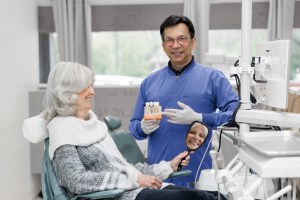
The holiday season fills our calendars with celebrations, travel, and gifts for others. Our own health can quietly move to the bottom of the list. This year, make room for an investment that carries into the new year: your smile.
Caring for your teeth and gums helps protect your ability to eat comfortably, speak clearly, and enjoy time with others. It also belongs within a broader approach to physical health and emotional wellness.
Your Mouth Is Part of Your Overall Health
Current research reinforces the importance of considering oral health within overall healthcare. An American Heart Association scientific statement published in Circulation in 2026 reviewed growing evidence linking periodontal disease with atherosclerotic cardiovascular disease. Bacteria entering the bloodstream and chronic inflammation are possible connecting pathways. However, a cause-and-effect relationship has not been confirmed, and treating gum disease has not been proven to prevent heart attacks or strokes. [1]
The relationship with diabetes is also important. Diabetes can increase the risk and severity of gum disease, while gum disease may make blood sugar harder to manage. For people living with diabetes, dental care belongs alongside medical care and ongoing blood sugar management. [2]
Enjoy Holiday Treats With a Plan
Desserts and festive drinks are part of many holiday traditions. Plaque bacteria use sugars to produce acids that can damage tooth enamel. Frequent snacking and sipping sugary drinks prolong these exposures. Enjoying sweets with meals rather than repeatedly between meals is a practical way to reduce frequent sugar exposure. [3, 4]
- Enjoy dessert with a meal instead of grazing on sweets throughout the day.
- Choose water between meals rather than sipping sweetened beverages.
- Include nourishing foods such as vegetables, beans, nuts, and plain yogurt.
- Pack your toothbrush, fluoride toothpaste, and supplies for cleaning between teeth when traveling.
A realistic routine is easier to maintain than an all-or-nothing holiday health plan.
Notice What Holiday Stress Is Doing to Your Jaw
Hosting, financial pressure, and crowded schedules can bring physical tension. Stress is one of several factors associated with bruxism, or teeth grinding and clenching. Persistent bruxism can damage teeth and contribute to jaw soreness and headaches. [5]
During the day, notice whether your teeth are pressed together. Let your jaw rest with your teeth apart, soften your shoulders, and take a few slow, comfortable breaths. If you have recurring jaw pain, morning soreness, or tooth sensitivity, tell your dentist. Stress management can complement dental care, but it does not replace an evaluation.
Protect Time for Rest and Physical Wellness
Late nights and changing routines can make self-care harder to sustain. Build breathing room into the season with a walk, a quiet wind-down before bed, or permission to leave one commitment off the calendar. A regular sleep schedule and relaxation practices may also help people managing bruxism. [5]
From a mental wellness perspective, small, repeatable choices help make self-care manageable. Your health deserves a place in your holiday plans.
Our Sleep Apnea Treatment Options
At Dentistry by Dr. Doshi, we offer custom oral appliance therapy for appropriate patients with obstructive sleep apnea, working collaboratively with their treating physician. Following a medical diagnosis and prescription, an appliance is fitted to hold the lower jaw forward and help keep the airway open during sleep. Our dental team adjusts the appliance and monitors comfort, tooth movement, and bite changes. Follow-up sleep testing through the treating physician helps confirm effectiveness. [6]
Oral appliance therapy may be an option for patients who cannot tolerate CPAP or prefer an alternative when medically appropriate. CPAP is another established treatment that delivers pressurized air through a mask to keep the airway open; it is generally more effective at controlling breathing events, particularly in more severe OSA. Treatment selection depends on severity, individual health needs, and patient preferences. [6, 7, 11]
Loud snoring, gasping during sleep, and persistent daytime sleepiness deserve evaluation. Untreated sleep apnea can repeatedly interrupt breathing and lower oxygen levels, increasing the risk of heart attack and stroke and affecting concentration and memory. [8] Dry mouth or teeth grinding, when present, also deserve attention: dry mouth increases cavity risk, while grinding can cause tooth wear and jaw discomfort. These symptoms alone do not diagnose sleep apnea. [5, 9]
Make Prevention Your First Smile Investment
Start with the health and comfort of your teeth and gums. The American Dental Association recommends brushing twice daily for two minutes with fluoride toothpaste, cleaning between teeth daily, and seeing a dentist regularly. Your dental team can personalize the timing of visits and home care to your needs and risk factors. [10]
If anxiety or embarrassment has kept you away, tell the office what concerns you. Ask for explanations, discuss breaks, and work with your dentist on a manageable plan. Scheduling the first visit is a meaningful step.
Give Yourself Something That Lasts Beyond the Holidays
Investing in your smile starts with consistent care, timely attention to symptoms, and habits that fit your life. Make your health part of what you celebrate this season.
If you are due for a preventive visit or have concerns about your teeth, gums, jaw, or sleep, contact Dentistry by Dr. Doshi in Diamond Bar to schedule an appointment.
Ready to Schedule a Consultation?
Research and Professional Resources
Sources reviewed October 29, 2026. Numbers in the article correspond to the references below.
- Tran AH, et al. Periodontal Disease and Atherosclerotic Cardiovascular Disease: A Scientific Statement From the American Heart Association. Circulation. 2026;153:e73–e88. Published online December 16, 2025. doi:10.1161/CIR.0000000000001390.
- National Institute of Dental and Craniofacial Research. Diabetes and Oral Health.
- American Dental Association. Nutrition and Oral Health.
- American Dental Association. Halloween Survival Guide. Advice on enjoying sweets with meals.
- National Institute of Dental and Craniofacial Research. Bruxism and Ask the Expert on Tooth Grinding.
- Dentistry by Dr. Doshi. Dental Sleep Medicine Frequently Asked Questions. Practice treatment information credited to the American Academy of Dental Sleep Medicine.
- National Heart, Lung, and Blood Institute. Sleep Apnea Treatment.
- National Heart, Lung, and Blood Institute. What Is Sleep Apnea.
- American Dental Association. Xerostomia Dry Mouth.
- American Dental Association. Home Oral Care.
- Ramar K, et al. Clinical Practice Guideline for the Treatment of Obstructive Sleep Apnea and Snoring with Oral Appliance Therapy. Journal of Clinical Sleep Medicine. 2015;11:773–827.
Disclaimer
This article is for informational and educational purposes only and is not a substitute for professional dental, medical, or mental health advice, diagnosis, or treatment. Consult a qualified healthcare provider about your individual health needs.