
Salivary Testing Harnesses Hidden Data
Salivary diagnostic testing has gained popularity in recent years due to its many advantages. This innovative technology empowers patients and dentists alike with valuable insights, leading to informed decisions for better overall health.
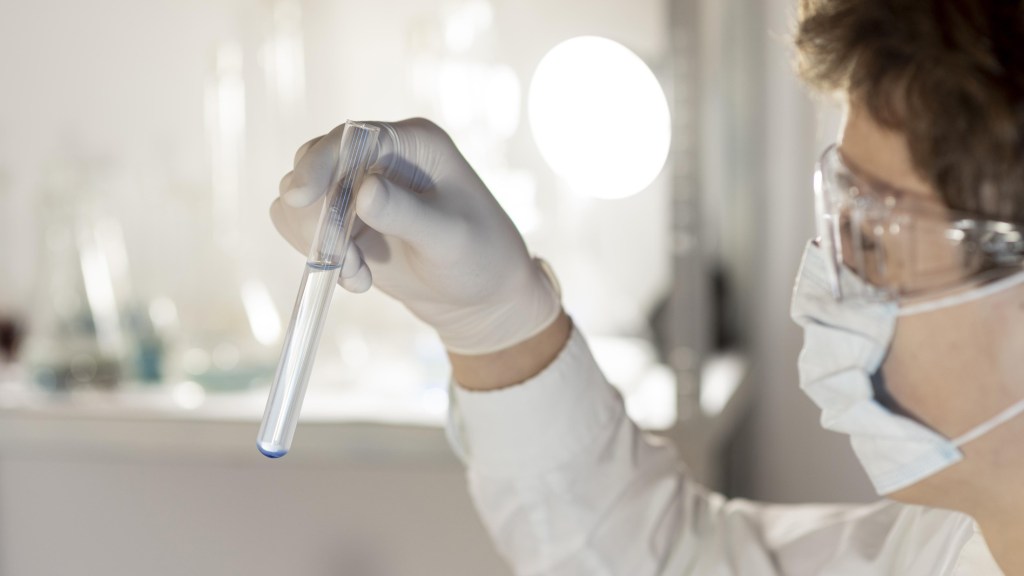
Here are some reasons why we recommend this type of testing:
NON-INVASIVE
Salivary testing is non-invasive and easy to administer, making it a preferred choice for patients who may be uncomfortable with blood tests or other invasive procedures.
CONVENIENCE
Collecting a saliva sample is a simple process that can be done at home or in a clinical setting, reducing the need for frequent visits to a healthcare provider.
ACCURACY
Saliva tests can provide accurate and reliable results for a variety of health markers, such as hormone levels, cortisol levels, inflammation markers, and more.
EARLY DETECTION
Salivary testing can help in the early detection of certain health conditions, allowing for timely intervention and treatment.
MONITOR PROGRESS
Saliva testing can be used to monitor the effectiveness of treatments for various conditions, helping healthcare providers adjust treatment plans as needed.
PERSONALIZE TREATMENT PLANS
Salivary diagnostic testing can provide valuable information for personalized medicine approaches, helping healthcare providers tailor treatment plans to individual patients’ needs.
STRESS RESPONSE
Salivary testing can also be used to assess the body’s stress response by measuring cortisol levels, which can be helpful in managing stress-related conditions.
Knowledge is power when it comes to your health. By leveraging the insights provided by salivary diagnostic testing, you can partner with your dentist to make proactive decisions for a healthier smile and continual overall wellness. Interested in getting tested? Be sure to ask your dentist for more information on salivary diagnostic testing at your next visit.