
Sleep Apnea and Mental Health: Understanding the Connection
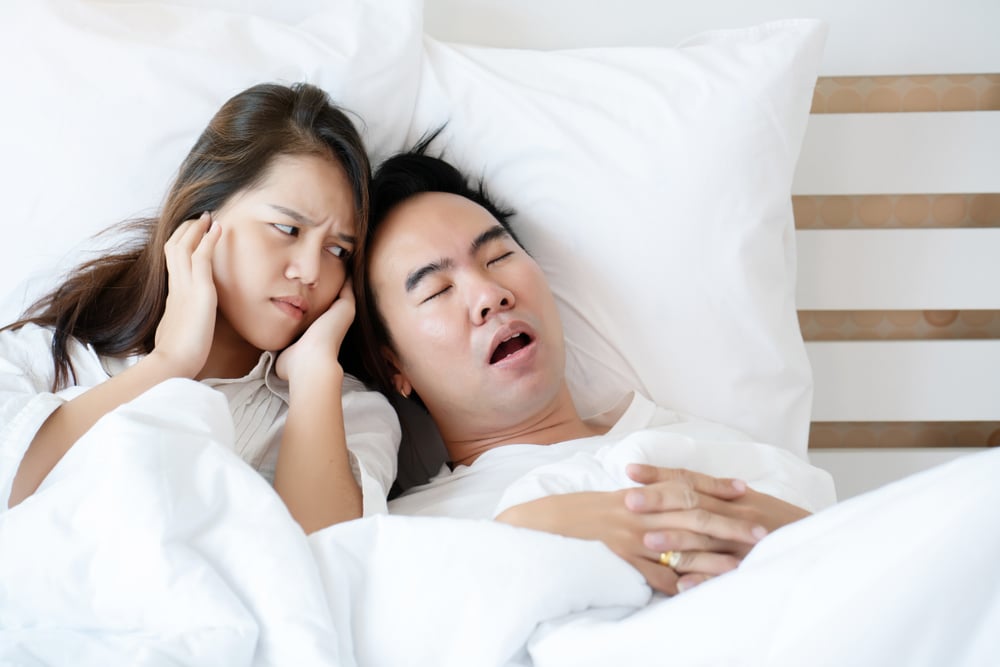
As a Licensed Marriage and Family Therapist and partner in our dental practice, I often emphasize that oral health and mental health are deeply interconnected. One of the clearest examples of this connection is sleep apnea —a condition that not only affects breathing during sleep but also has profound effects on mood, stress, and overall mental wellness.
What Is Sleep Apnea?
Sleep apnea is a sleep disorder where breathing repeatedly stops and starts throughout the night. The most common type, obstructive sleep apnea (OSA), occurs when the airway becomes blocked, often due to the relaxation of throat muscles. This leads to loud snoring, gasping, or disrupted sleep.
While the dental team often plays a key role in identifying signs of sleep apnea—such as teeth grinding, jaw pain, or narrowed airways—the effects extend far beyond oral health.
How Sleep Apnea Impacts Mental Health
Chronic Fatigue and Mood
Poor-quality sleep leads to daytime exhaustion, irritability, and difficulty concentrating. Over time, this constant fatigue increases the risk of depression and anxiety.
Stress and Emotional Strain
The body’s stress response is heightened when sleep is disrupted. This can make it harder to regulate emotions and cope with daily challenges.
Cognitive Function
Interrupted sleep patterns reduce memory, focus, and decision-making abilities, which can affect work, relationships, and overall quality of life.
Risk of Mental Health Disorders
Research shows that untreated sleep apnea is linked with higher rates of depression, anxiety, and even post-traumatic stress disorder (PTSD).
Ready to Schedule a Consultation?
The Role of Dentists and Therapists Working Together
Dentists are often the first to notice physical signs of sleep apnea, such as bruxism (teeth grinding), jaw pain, or airway concerns. Oral appliance therapy, such as custom mouthguards, can help keep the airway open at night.
As a therapist, I work with patients on the emotional and psychological toll of disrupted sleep. Together, dental and mental health providers can address both sides of the issue—helping patients restore healthy sleep and emotional balance.
Practical Steps Toward Better Sleep and Mental Wellness
- Seek an Evaluation: If you or your partner notice loud snoring, pauses in breathing, or frequent nighttime awakenings, ask your dentist or physician about a sleep study.
- Explore Oral Appliances: Non-invasive dental solutions may reduce apnea symptoms for many patients.
- Build Sleep Hygiene Habits: Regular sleep schedules, reduced caffeine, and a calming bedtime routine support overall sleep quality.
- Prioritize Stress Management: Therapy, mindfulness, and relaxation techniques can reduce the emotional strain associated with sleep apnea.
Final Thoughts
Sleep apnea is more than a breathing problem—it’s a whole-body condition that affects mental, emotional, and physical health. By addressing both the dental and mental health aspects of sleep apnea, we can help patients regain restorative sleep and improve quality of life.
At our practice, we are committed to a whole-person approach: protecting your smile, supporting your sleep, and strengthening your overall well-being.