Use It or Lose It: Make the Most of Your Dental Insurance Before Year-End
Your dental benefits may be expiring soon. Here’s why October is the right time to plan ahead.
By Darshana Doshi, LMFT
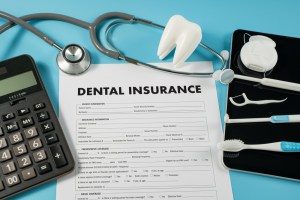
As the year begins to wind down, most of us are thinking about holiday gatherings, family plans, and everything we need to accomplish before December 31. One important item that often gets overlooked is dental insurance.
If you have dental insurance through your employer or an individual plan, you may have benefits that will expire at the end of the year.
At Dentistry by Dr. Doshi, we want our patients to understand their coverage, make informed decisions about their dental care, and avoid missing out on benefits they have available.
The message is simple: Don’t let valuable dental benefits go unused when your oral health could benefit from them.
Understanding the “Use It or Lose It” Rule
Many dental insurance plans operate on a calendar-year basis, from January 1 through December 31. These plans often include an annual maximum, which is the highest amount your insurance company will pay toward covered dental services during that benefit year.
For example, if your plan has a $1,500 annual maximum and you have used only $500, you may still have $1,000 in available benefits. However, in many plans, that unused amount does not carry over into the following year.
When your plan renews in January, your annual maximum may reset, and any unused benefits from the previous year may be lost.
It’s important to remember that your annual maximum is not money deposited into an account. It represents the limit your insurer may pay toward eligible services, subject to your plan’s coverage, deductibles, exclusions, and other requirements. Not all plans renew on January 1, so reviewing your specific policy is essential.
Five Smart Ways to Maximize Your Dental Benefits Before December 31
1. Schedule Your Preventive Dental Visit
When was your last dental cleaning or examination? Many dental insurance plans provide coverage for routine preventive services, including:
- Comprehensive or periodic dental examinations
- Professional teeth cleanings
- Diagnostic X-rays when clinically appropriate
- Preventive periodontal evaluations
Coverage varies by plan, and some services are subject to frequency limitations. Preventive visits allow your dentist to identify early signs of tooth decay, gum inflammation, enamel wear, and other oral health concerns before they become more complicated.
A preventive appointment today may help you avoid more extensive dental treatment in the future.
2. Review Any Recommended Treatment You Have Postponed
It’s easy to delay dental treatment when a tooth isn’t hurting. Perhaps your dentist previously recommended a crown, filling, or treatment for gum disease, but your schedule became busy or you decided to wait.
Unfortunately, dental problems do not always cause discomfort in their early stages. A small cavity may progress. A weakened tooth may fracture. Untreated gum disease can continue to affect the tissues supporting your teeth.
If you have postponed recommended care, year-end is a good opportunity to revisit your treatment plan. Depending on your coverage, available benefits may help offset part of the cost.
The goal is not to use insurance simply because it is available. The goal is to address necessary dental care at the appropriate time.
3. Understand Your Annual Maximum and Deductible
Two important details can influence your out-of-pocket expenses:
Annual Maximum: The total amount your dental insurance plan may pay toward covered services during the benefit year.
Deductible: The amount you may need to pay before certain insurance benefits begin.
If you have already met your deductible this year, you may be able to receive additional covered treatment without having to meet that deductible again before your plan renews. However, insurance plans differ in how deductibles, copayments, coinsurance, and annual maximums apply.
Before scheduling treatment, ask your insurance company or dental office to help clarify your remaining benefits and estimated financial responsibility.
4. Plan Larger Dental Treatments Thoughtfully
Some dental procedures require more than one appointment, particularly when treatment involves crowns, bridges, implants, or other restorative services. If you have a treatment plan that extends over several visits, starting the discussion before year-end may provide more flexibility.
In some circumstances, eligible treatment can be coordinated across two benefit years, allowing patients to use available coverage from the current year and newly available benefits in the next. However, this depends on your insurance policy, the timing of completed services, applicable coverage rules, and clinical appropriateness.
Your dentist should always determine the treatment sequence based on your oral health needs, not solely on insurance timing.
5. Don’t Wait Until the Last Week of December
The final weeks of the year are often busy for families and dental offices alike. Waiting until late December may limit appointment availability, particularly when treatment requires multiple visits or insurance verification.
Scheduling in October or November allows more time to:
- Review your remaining benefits
- Complete your dental examination
- Discuss recommended treatment
- Understand estimated out-of-pocket expenses
- Arrange appointments before your plan renews
- A little planning now can help you avoid unnecessary last-minute stress.
Ready to Schedule a Consultation?
What About Flexible Spending Accounts (FSA) and Health Savings Accounts (HSA)?
If you have an FSA or HSA, these accounts may also help you pay for eligible dental expenses. However, they work differently.
Flexible Spending Accounts (FSA): Many FSAs have year-end spending deadlines, although some employers offer a grace period or limited carryover. Review your employer’s specific plan rules.
Health Savings Accounts (HSA): Unlike most FSAs, HSA funds generally roll over from year to year and do not expire simply because the calendar year ends.
Eligible dental expenses may include examinations, cleanings, fillings, crowns, and other qualifying treatments. Cosmetic procedures, such as teeth whitening, are generally not eligible. Understanding these options can help you plan dental expenses more effectively.
Your Oral Health Deserves Attention Beyond Insurance Coverage
While maximizing insurance benefits makes financial sense, good dental care should never be driven by insurance alone. Oral health plays an important role in everyday comfort, nutrition, communication, and overall well-being.
Healthy teeth and gums help us eat comfortably, speak confidently, and maintain quality of life. At Dentistry by Dr. Doshi, we believe patients deserve clear explanations, thoughtful treatment recommendations, and the opportunity to make decisions that fit their health needs and financial circumstances.
Sometimes the most valuable step is simply scheduling the dental visit you’ve been putting off.
A Simple Year-End Dental Checklist
- ☐ Have I completed my recommended dental examinations and cleanings?
- ☐ Do I have unused dental insurance benefits?
- ☐ Have I met my annual deductible?
- ☐ Is there any recommended dental treatment I have postponed?
- ☐ Does my insurance plan renew on January 1?
- ☐ Do I have FSA funds with an upcoming spending deadline?
- ☐ Have I scheduled enough time for any necessary treatment?
Make Your Dental Health a Priority Before the Year Ends
Your dental benefits are part of your investment in your health. Make sure you understand what is available to you.
If you are unsure how much insurance coverage remains or whether you have outstanding dental needs, our team at Dentistry by Dr. Doshi is happy to help you review your available insurance information and discuss your treatment options.
Don’t wait until December to discover that benefits you could have used are no longer available.
Make the most of your benefits. Protect your smile. Finish the year with one less thing on your to-do list.
Schedule Your Year-End Dental Appointment
Dentistry by Dr. Doshi
We look forward to helping you maintain a healthy smile throughout the year.
Disclaimer
This article is intended for general educational purposes and does not replace individualized dental advice or insurance coverage verification. Dental insurance benefits, annual maximums, deductibles, covered procedures, frequency limitations, and renewal dates vary by policy. Insurance payments are not guaranteed. Patients should confirm their coverage directly with their insurance provider and consult their dentist regarding clinically appropriate treatment. FSA and HSA eligibility is subject to applicable tax regulations and individual plan requirements.